
Culture
How to Calculate Auspicious Hours and Find the 6 Good Time Slots of the Day
A guide to calculating auspicious hours, the table of 12 double-hours, the meaning of the six auspicious deities and how to look up good hours by lunar date.
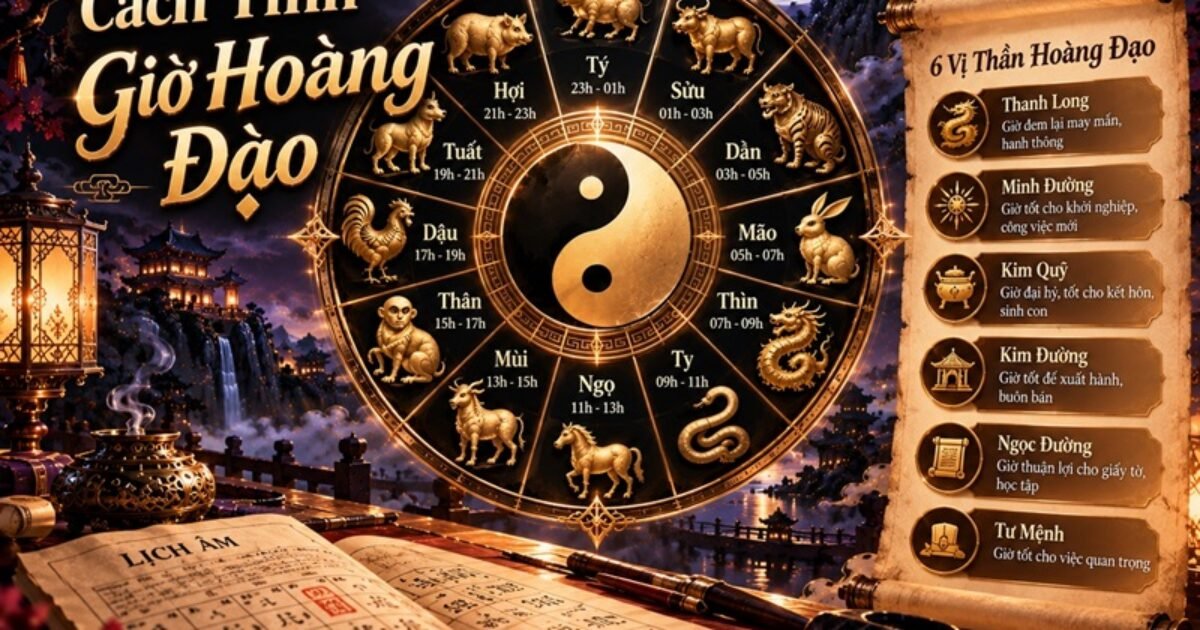
How to calculate auspicious hours is a topic many people look into when they want to choose a suitable time for a wedding, a grand opening, groundbreaking, setting out on a journey or starting important work according to Eastern custom. The method is based on the system of 12 earthly branches, the division of the day into double-hours and the rules for determining which hours are considered auspicious on each lunar day.
Instead of memorizing many complicated calendar tables, you can start by learning the 12 double-hours, getting to know the six auspicious deities of the Yellow Path and looking up the calendar for a specific day. The article below walks you step by step through how to determine auspicious hours and use this information to suit your real needs.
1. Conversion table for the 12 double-hours of the day
Before calculating or looking up auspicious hours, you need to know which time of day each earthly branch corresponds to.
| Double-hour | Clock time |
| Rat hour | 23:00 – 01:00 |
| Ox hour | 01:00 – 03:00 |
| Tiger hour | 03:00 – 05:00 |
| Cat hour | 05:00 – 07:00 |
| Dragon hour | 07:00 – 09:00 |
| Snake hour | 09:00 – 11:00 |
| Horse hour | 11:00 – 13:00 |
| Goat hour | 13:00 – 15:00 |
| Monkey hour | 15:00 – 17:00 |
| Rooster hour | 17:00 – 19:00 |
| Dog hour | 19:00 – 21:00 |
| Pig hour | 21:00 – 23:00 |
Each double-hour lasts about two hours in the usual conversion. The Rat hour, however, starts at 23:00 of the previous day and ends at 1:00 the next morning, so keep this in mind when looking up the calendar.
The table above only helps you identify the name and time span of each double-hour. To know which hours are auspicious, you still need to check against the specific lunar day.
>> Read this article to learn more about what auspicious hours are
2. The six Yellow Path deities and their meanings
In the traditional hour-selection system, the six auspicious hours are tied to six auspicious deities. Each deity has its own meaning in folk interpretation.
Green Dragon
The Green Dragon is usually regarded as an auspicious deity signifying smooth progress and favorable conditions. Traditionally, hours tied to the Green Dragon are preferred for starting work or carrying out important plans.
Bright Hall
The Bright Hall symbolizes clarity, legitimacy and favor. Some traditional methods prefer this hour for starting ventures, rolling out plans or handling matters that require transparency.
Golden Coffer
The Golden Coffer is usually associated with wealth, abundance and accumulation. By custom, people may consider this hour for weddings or for work related to finance and business.
Golden Hall
The Golden Hall is interpreted as a favorable time for some kinds of transactions, travel and trade. Even so, the actual choice should still be based on the hour table for the day in question.
Jade Hall
The Jade Hall is often associated with dignity, study and work that calls for care. In folk belief, this hour may be consulted when handling paperwork or doing things related to study and career.
Life Governor
The Life Governor is an auspicious deity mentioned in the traditional Yellow Path hour system. This hour is usually seen as suitable for considering important undertakings according to custom.
The names and interpretations of the auspicious deities may differ between calendar texts. So when looking things up, use one consistent calendar system rather than combining tables from several sources that use different methods.
3. Principles for determining auspicious hours
Auspicious hours change from day to day
An important principle is that auspicious hours are not fixed to clock times. The same double-hour may be auspicious on one day but not on another.
Good hours are usually determined from the earthly branch of the lunar day and the corresponding rule table. For example, when looking up a day in the Rat or Horse branch group, you must use the hour table for that group of days rather than applying the result for an Ox or Goat day.
Get the lunar date right
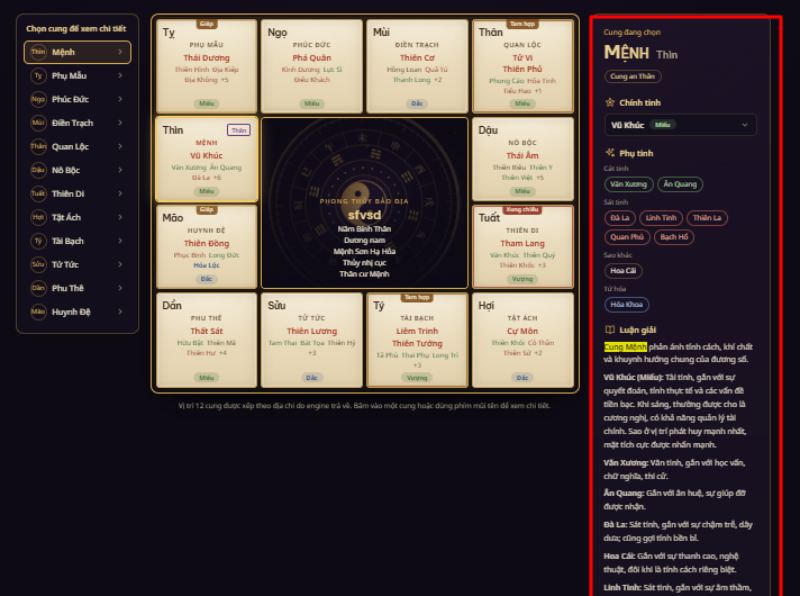
If you only have the Gregorian date, convert it to the lunar date with a perpetual calendar before looking it up. Once the lunar date is known, you can check the matching auspicious-hour table.
For times close to midnight, pay special attention to how your calendar source defines the start of the day, because the Rat hour spans two Gregorian dates.
Don’t rely only on the deity names
Knowing the six auspicious deities helps you understand where the names of auspicious hours come from, but it is not enough to work out the six time slots of every day on your own. To avoid mistakes, use an hour table built on a specific calendar method.
4. Step-by-step guide to looking up auspicious hours
If you want to know the auspicious hours for a specific day, you can follow this process:
Step 1: Choose the day to check.
Decide the planned date for the wedding, grand opening, journey or other undertaking.
Step 2: Find the lunar date.
Check a perpetual calendar to find the lunar date that matches the Gregorian date you chose.
Step 3: Look up the auspicious-hour table.
Use a calendar source that shows the auspicious and inauspicious hours for that exact day. Double-check the day, month and year so you don’t pick the wrong table.
Step 4: Convert to clock time.
Once you have identified the double-hour, convert it to clock time to know when the slot begins and ends. If the calendar says Rat hour, remember that this slot runs from 23:00 to 1:00.
Step 5: Consider your purpose.
If you are checking hours for a customary ritual, you can also consult your family’s practice or the calendar school you trust. For work with practical requirements, give priority to scheduling, safety and the actual conditions.
5. How to choose auspicious hours for different activities
Not everyone who looks up auspicious hours has the same purpose. Below are the situations most often considered in Eastern custom.
| Activity | What is usually considered |
| Weddings | The hour for the ceremony, welcoming the bride or performing ancestral rites |
| Grand opening | The hour to open the doors, cut the ribbon or begin operations |
| Groundbreaking | The hour to hold the groundbreaking ceremony |
| Travel | The time to set off on the journey |
| Signing contracts | The time to perform the signing ceremony |
| Moving in | The hour to move into the new home according to custom |
These suggestions reflect the hour-selection habits of some communities; they do not mean every task must be done in an auspicious hour. When planning, balance them against practical conditions and the convenience of everyone involved.
6. Should you calculate it yourself or use an auspicious-hour tool?
Calculating it yourself helps you understand how the double-hours are divided and the traditional basis of auspicious hours. However, if you want the result for a specific day, looking it up in a perpetual calendar or a feng shui tool that states its method is usually more convenient.
You can choose according to your needs:
- Study it yourself: Suitable if you want to explore the system of 12 earthly branches, the six auspicious deities and the calendar rules.
- Use a perpetual calendar: Suitable when you need a quick look at the auspicious hours of one day.
- Use an online tool: Suitable when you need to look up many days or compare times quickly.
Whichever method you use, check the lunar date and the data source. Don’t treat results from different sites as fully equivalent if they use different calculation rules.
Conclusion
Calculating auspicious hours starts with understanding the 12 double-hours by earthly branch, recognizing the six auspicious deities and looking up the rule for the lunar day. Because auspicious hours change every day, you should not use one fixed hour table for every case.
If you need to choose an hour for a wedding, grand opening, groundbreaking or journey, decide the day, check a perpetual calendar and verify the result against a consistent source. Consulting auspicious hours can help you follow custom as you wish, but it should still be combined with preparation and practical conditions.
Editorial information
 Written byTechnical & Visual Design TeamThe unit that designs visual diagrams and keeps the website secure.
 Reviewed byContent Review BoardThe unit that screens material and verifies its accuracy.
Last updated: 21/11/2026
References
- JAHH 2019 PDF
- Aslaksen, The Mathematics of the Chinese Calendar
- Ho Ngoc Duc, Leipzig University
- UNESCO, Twenty-Four Solar Terms
- Truong Anh Thuan, The Hiep Ky calendar under the Nguyen dynasty
- Smith, Chinese Almanacs (book review)
- Smith, Fortune-tellers and Philosophers (book review)
- Ziwei doushu, Wikipedia
- Bruun, An Introduction to Feng Shui
- Feuchtwang, LSE eprints
- Bourassa & Peng 1999
- Bond, Feng Shui and Condominium Prices
Content follows our editorial standards of Treasure Land Feng Shui. Results are for reference, based on traditional beliefs.
Related articles
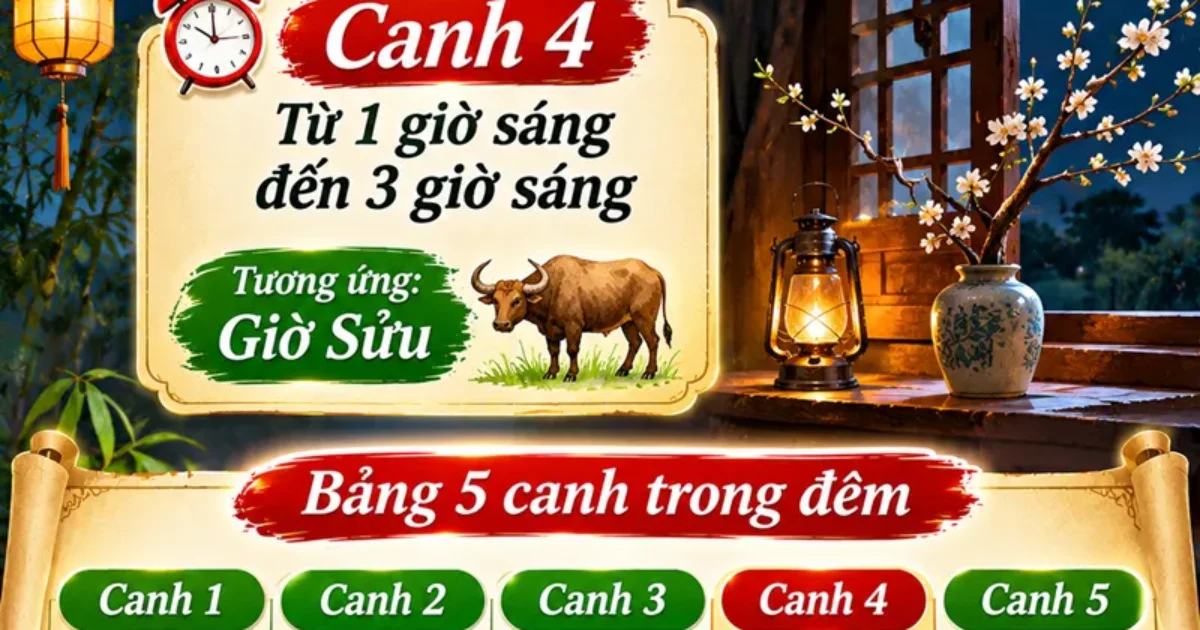
What Time Is the Fourth Watch? How People of Old Divided the Night into Five Watches
In traditional lunar-calendar culture, expressions such as “the drum of the third watch”, “awake until the fourth watch” or “the cock crows at the fifth watch” often appear in literature,…
20/11/2026 · 8 min read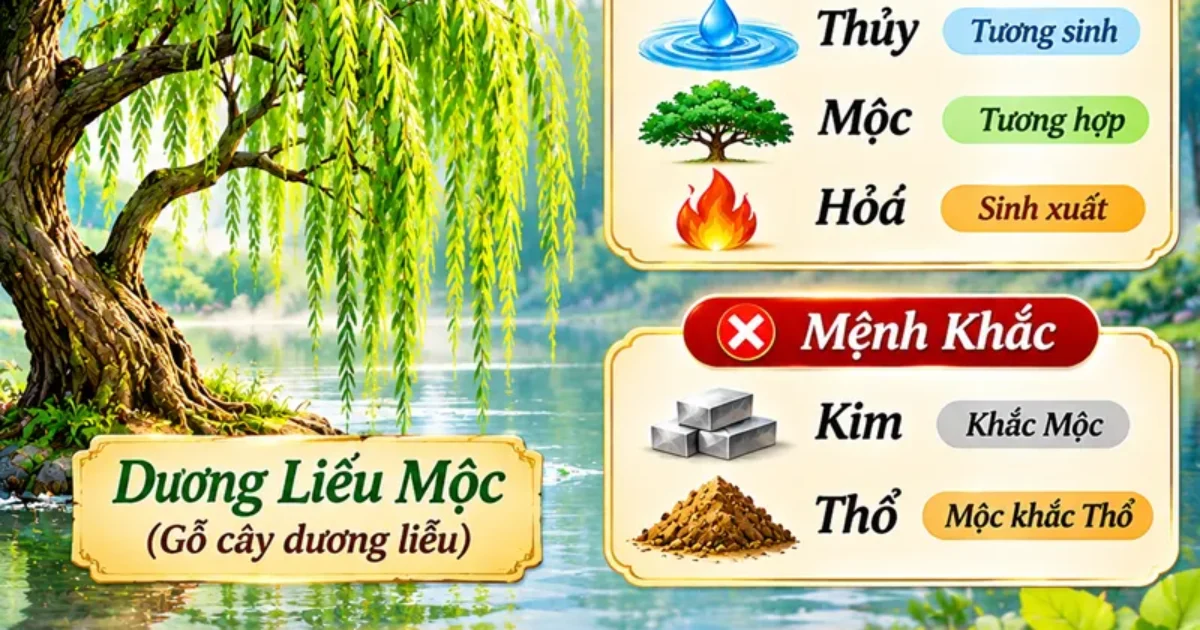
Which Elements Suit Willow Wood? Compatible and Clashing Elements and Lucky Colors
In the sixty-year Jiazi cycle, Willow Wood is a Na Yin element with a distinctive image. Not an ancient hardwood tree or a vast forest, Willow Wood represents the willow,…
19/11/2026 · 15 min read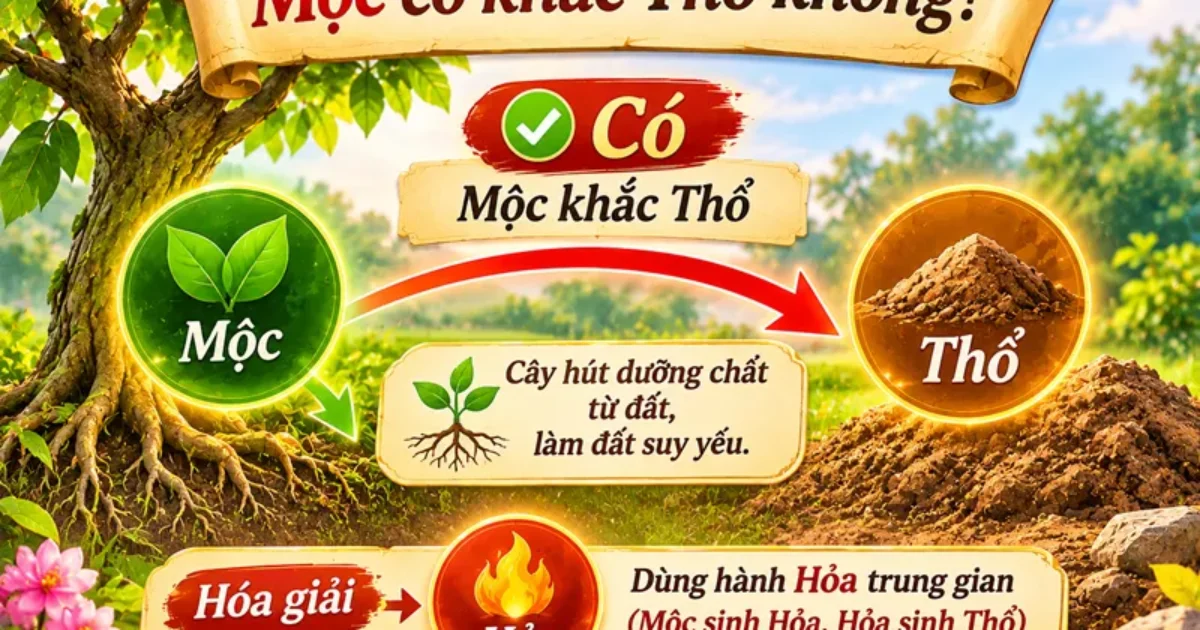
Does Wood Control Earth? Causes and Remedies in the Five Elements
In five-element feng shui, Wood and Earth have a controlling relationship. Wood represents trees, growth and development, while Earth represents land, stability and nourishment. This difference leaves many people unsure…
18/11/2026 · 10 min read