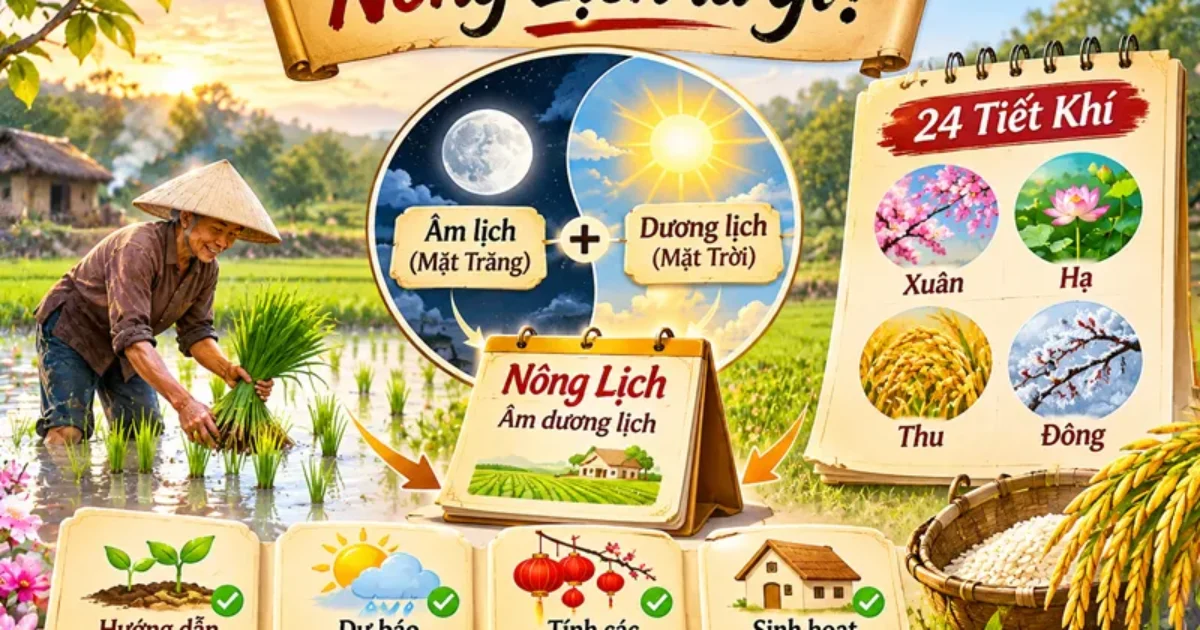
Solar terms
The 24 Solar Terms of the Year and Their Traditional Meaning
Learn about the 24 solar terms of the year and the traditional meaning of each, from Start of Spring to Major Cold, and how they apply to daily life.
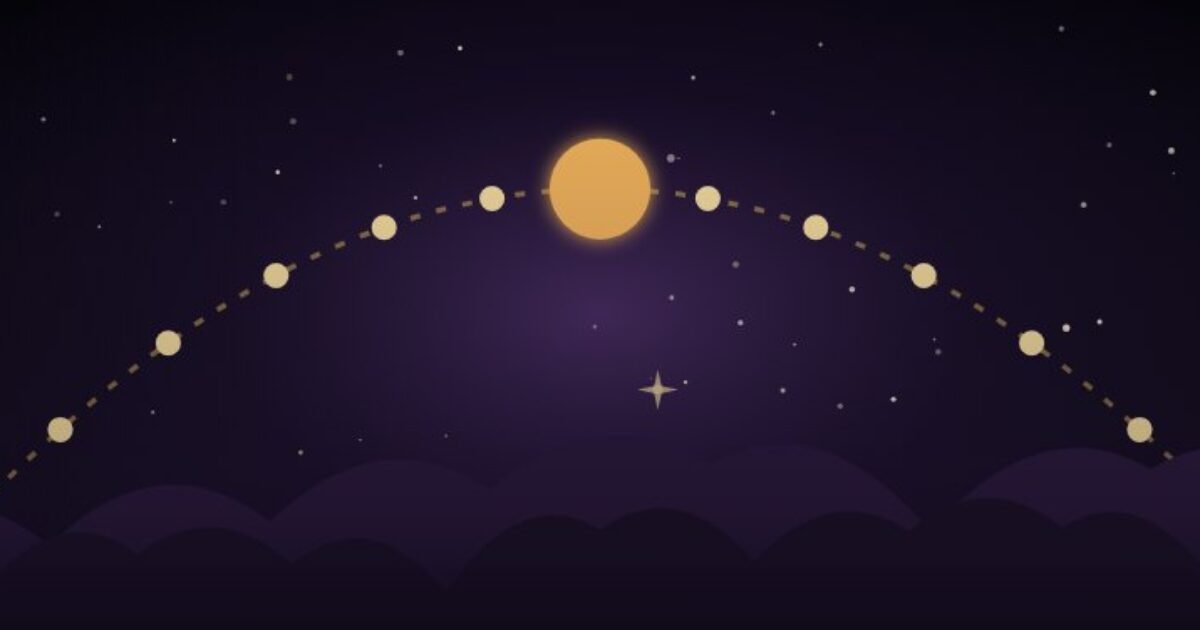
The 24 solar terms of the year and their traditional meaning is an important topic in Eastern culture, tied to the calendar, agriculture and how people observe the movement of nature. The 24 solar terms divide the Sun’s apparent yearly path into 24 points, each about 15 degrees of ecliptic longitude apart, about 15 days on average.
Unlike lunar months, which follow the Moon’s cycle, solar terms are set by the Sun’s apparent position on the ecliptic. So the terms fall on fairly stable solar dates, though the exact moment can change from year to year.
In Eastern tradition, the 24 solar terms reflect the change of seasons, temperature, rainfall, humidity and the growth cycle of crops. Some terms are also tied to customs, community life and seasonal ideas about staying healthy.
Summary table of the 24 solar terms
Below is a table of the 24 solar terms by season, with approximate solar dates and the traditional meaning of each term.
1. The six spring terms
Usually begin in early February.
| Solar term | Approximate solar date | Traditional meaning |
| Start of Spring | 4–5/2 | Marks the term that opens spring, a symbol of new beginnings and new life. |
| Rain Water | 18–19/2 | Linked with a time of more rain, when the soil grows moister and plants can grow. |
| Awakening of Insects | 5–6/3 | In old belief, spring thunder signals that insects and creatures become active again. |
| Spring Equinox | 20–21/3 | The middle of spring; day and night are nearly equal across the globe. |
| Thanh Minh | 4–5/4 | The weather is usually clearer; traditionally this is the time for tending graves and remembering ancestors. |
| Grain Rain | 19–20/4 | Linked with rains that help crops and grain grow. |
The meaning of spring
Spring symbolizes growth, beginnings and development. In the traditional calendar, the spring terms helped people know when to sow, tend plants and adjust daily life to nature.
Start of Spring marks the move into the spring cycle of the solar terms. Clear and Bright is best known for the custom of visiting and tending ancestors’ graves.
2. The six summer terms
Usually begin in early May.
| Solar term | Approximate solar date | Traditional meaning |
| Start of Summer | 5–6/5 | Marks the start of summer in the solar-term system. |
| Grain Buds | 20–21/5 | Grain and rice begin to fill but are not yet fully ripe. |
| Grain in Ear | 5–6/6 | Linked with the time when many crops need sowing, transplanting or care. |
| Summer Solstice | 21–22/6 | The day with the longest daylight of the year in the Northern Hemisphere. |
| Minor Heat | 7–8/7 | Signals a warmer period with rising temperatures. |
| Major Heat | 22–23/7 | Linked with the hottest period in the solar-term division of the seasons. |
The meaning of summer
Summer is tied to strong crop growth, hot weather and the need to adjust farming to rainfall and temperature.
Grain in Ear and Grain Buds clearly show the link between solar terms and farming. The Summer Solstice is an important astronomical point because the Sun reaches its highest apparent position to the north in the yearly cycle, giving the Northern Hemisphere its longest day.
Note that the names Minor Heat and Major Heat describe climate features in the traditional calendar; they do not mean every place reaches its highest temperature on those exact days.
3. The six autumn terms
Usually begin in early August.
| Solar term | Approximate solar date | Traditional meaning |
| Start of Autumn | 7–8/8 | Marks the start of autumn in the solar-term system. |
| End of Heat | 23–24/8 | Linked with the summer heat gradually easing. |
| White Dew | 7–8/9 | White dew often appears in the morning where the climate allows. |
| Autumn Equinox | 22–23/9 | The middle of autumn, when day and night are nearly equal across the globe. |
| Cold Dew | 8–9/10 | A period of colder air, with night dew becoming noticeable in many regions. |
| Frost’s Descent | 23–24/10 | Linked with the time when frost may appear in cold-climate regions. |
The key meaning of Autumn
Autumn is usually associated with harvest, transition and storing up. In traditional agrarian societies, changes in temperature, humidity and rainfall were the basis on which people adjusted harvesting, storing crops and preparing for the cold season.
Clear and Bright and White Dew are named after weather phenomena or natural scenery; Cold Dew and Frost’s Descent emphasize the shift toward colder conditions. However, frost or ice does not necessarily occur everywhere at exactly this time, because climate also depends on geography and each year’s weather.
4. The six solar terms of Winter
Usually from early November to late January of the following year.
| Solar term | Approximate solar date | Traditional meaning |
| Start of Winter | 7–8/11 | Marks the beginning of winter in the solar-term system. |
| Minor Snow | 22–23/11 | Linked with the period when snow begins to appear in some cold-climate regions. |
| Major Snow | 7–8/12 | A period when heavier snowfall may occur in cold regions. |
| Winter Solstice | 21–22/12 | The day with the shortest daylight of the year in the Northern Hemisphere. |
| Minor Cold | 5–6/1 | Linked with the deepening cold in the traditional division of solar terms. |
| Major Cold | 20–21/1 | The period of severe cold in the traditional calendar system, before the turn to Start of Spring. |
The key meaning of Winter
In the traditional solar-term system, winter is associated with cooling, rest and storing reserves. In agrarian societies, this was when people took care to preserve food, look after livestock and prepare for the next production cycle.
The Winter Solstice is an important astronomical marker. In the Northern Hemisphere it has the shortest day and the longest night of the year. After the Winter Solstice, daylight gradually increases, although temperatures in many places may keep falling because of the thermal inertia of the atmosphere and the ground.
Minor Cold and Major Cold are the last two solar terms before Start of Spring. The names reflect the traditional calendar’s idea of cold, but that does not mean Major Cold is always the coldest day in every location.
The traditional meaning of the 24 solar terms
The 24 solar terms are not just a system for marking time; they also reflect how people of old observed the link between nature and daily life. The meaning of this system can be seen through four main aspects.
1. Supporting agriculture
In agrarian societies, weather directly affects sowing, tending and harvesting. Markers such as Rain Water, Grain Rain, Grain Buds and Grain in Ear helped people picture the crop cycle and adjust their work to natural conditions.
Today the solar terms can still be used as a cultural reference system or a seasonal calendar. Actual farming, however, should rely on weather forecasts, soil characteristics, crop varieties and local climate.
2. Observing the change of seasons and natural phenomena
Each solar term is associated with a set of natural features such as rain, temperature, dew, day length or the growth of crops.
For example, the Summer Solstice and Winter Solstice mark key points in the Sun’s cycle of daylight in the Northern Hemisphere. The Spring Equinox and Autumn Equinox are the times when day and night are nearly equal across the globe.
The remaining solar terms were named after how people of old observed natural phenomena and seasonal changes in climate.
3. Tied to customs and cultural life
Some solar terms are linked to traditional customs. Clear and Bright is often associated with tending ancestral graves and remembering ancestors, while Start of Spring is regarded as the beginning of spring in the solar-term system.
It is important, though, to distinguish solar terms from festivals. Not all 24 solar terms are traditional festivals or official holidays. Each region may have its own customs based on history, beliefs and community practice.
4. Reflecting the idea of living in harmony with nature
In Eastern thought, the change of the four seasons is often used to explain the pattern of birth, growth, harvest and rest. This view emphasizes observing the environment and adjusting activities to natural circumstances.
This is a cultural value worth considering in modern life. Even so, interpretations concerning destiny, feng shui or health should be kept distinct from verified scientific knowledge.
How are the 24 solar terms related to the lunar calendar?
A common misconception is that the 24 solar terms are determined entirely by the lunar calendar. In fact, solar terms are calculated from the apparent position of the Sun on the ecliptic, so they are directly tied to the solar cycle.
The traditional lunisolar calendar combines the Moon’s cycle with elements of the solar year. That is why solar terms are often used alongside the lunar calendar to time the farming seasons and organize some traditional activities.
Put simply:
- Lunar calendar: Months are determined mainly by the Moon’s cycle within the lunisolar calendar system.
- Solar terms: Markers determined by the apparent position of the Sun.
- Gregorian calendar: Solar terms usually fall on fairly stable date ranges in the Gregorian calendar, but the exact time can differ from year to year.
So if you want to look up the exact moment a solar term begins, use the solar-term calendar for that specific year rather than relying only on the estimated dates in the table.
How to use the 24 solar terms in modern life
You can learn about and apply the 24 solar terms in a practical way that suits life today.
In agriculture: Refer to the seasonal cycle when planning crop care, combined with weather data and technical guidance suited to your area.
In daily life: Pay attention to changes in temperature, rainfall and humidity to adjust clothing, exercise schedules and plant care.
In traditional culture: Learn about the customs linked to Clear and Bright, Start of Spring or the farming milestones to better understand Eastern calendars and customs.
In feng shui study: You can explore the role of solar terms in traditional systems as part of cultural knowledge. However, solar terms should not be the sole basis for important decisions about finances, health or life.
Look up the 24 solar terms and feng shui knowledge at Treasure Land Feng Shui
If you want to learn more about the lunisolar calendar, solar terms, traditional customs and Eastern feng shui ideas, you can visit Treasure Land Feng Shui for related content.
When looking up solar terms, pay attention to the year in question and the exact moment each term begins. A table of estimated dates is fine for a general overview, but it does not replace an accurate astronomical calendar when you need to pin down a specific moment.
Conclusion
The 24 solar terms of the year and their traditional meaning reflect how Eastern peoples observed the movement of the Sun, the change of the four seasons and the relationship between nature and human life.
From Start of Spring and Rain Water to the Summer Solstice, Autumn Equinox, Winter Solstice and Major Cold, each solar term carries its own meaning in the traditional calendar. Learning this system helps you better understand Eastern culture, the farming cycle and customs handed down through many generations.
To explore more about the lunisolar calendar, feng shui knowledge and traditional ideas, you can visit Treasure Land Feng Shui.
Editorial information
 Written byTechnical & Visual Design TeamThe unit that designs visual diagrams and keeps the website secure.
 Reviewed byContent Review BoardThe unit that screens material and verifies its accuracy.
Last updated: 21/11/2026
References
- JAHH 2019 PDF
- Aslaksen, The Mathematics of the Chinese Calendar
- Ho Ngoc Duc, Leipzig University
- UNESCO, Twenty-Four Solar Terms
- Truong Anh Thuan, The Hiep Ky calendar under the Nguyen dynasty
- Smith, Chinese Almanacs (book review)
- Smith, Fortune-tellers and Philosophers (book review)
- Ziwei doushu, Wikipedia
- Bruun, An Introduction to Feng Shui
- Feuchtwang, LSE eprints
- Bourassa & Peng 1999
- Bond, Feng Shui and Condominium Prices
Content follows our editorial standards of Treasure Land Feng Shui. Results are for reference, based on traditional beliefs.