
Culture
The Traditional Festivals of the Lunar Year
A summary of the traditional festivals of the lunar year and the meaning of the Lunar New Year, the first full moon, the Dragon Boat Festival, Ullambana and the Mid-Autumn Festival.
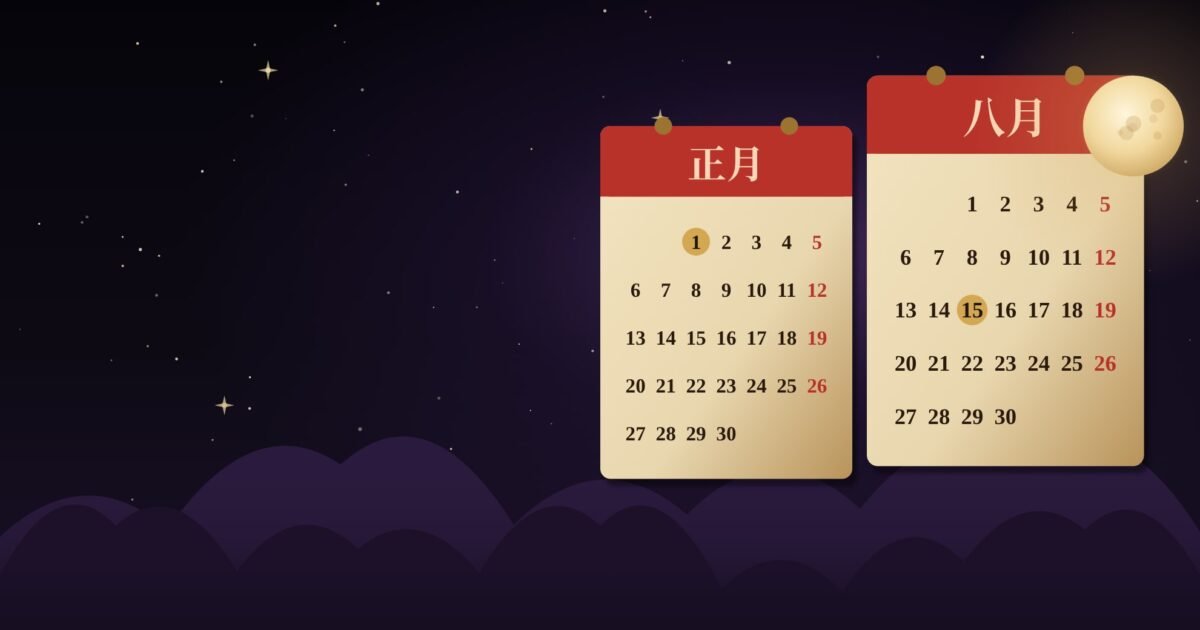
The traditional festivals of the lunar year are an important part of traditional cultural and spiritual life. These occasions are tied to ancestor worship, community life, folk beliefs, Buddhism and the agricultural cycle.
From the Lunar New Year and the first full moon to the Dragon Boat Festival, the Ullambana festival, the Mid-Autumn Festival and the farewell of the Kitchen Gods, each occasion has its own meaning. They are also times for families to gather, remember their roots, practice traditional customs and express their hopes for peace, health and prosperity.
So which traditional festivals of the lunar year are worth noting? Below is a summary table in chronological order to help you look them up and prepare.
Summary table of traditional festivals in the lunar year
| Lunar date | Festival | Meaning and common customs |
| 1st–5th day of the 1st month | Lunar New Year | Welcoming the new year, family reunions, New Year greetings and remembering ancestors |
| 9th day of the 1st month | Jade Emperor’s Day | Offerings according to folk belief, praying for peace and favor |
| 10th day of the 1st month | God of Wealth Day | Praying for wealth and luck in business and work |
| Full moon of the 1st lunar month (15/1) | Lantern Festival | Visiting pagodas, praying for peace and remembering ancestors |
| 3rd day of the 3rd month | Cold Food Festival | Making floating rice cakes to offer |
| 10th day of the 3rd month | Hung Kings’ Commemoration Day | Commemorating the Hung Kings who founded the nation |
| Full moon of the 4th lunar month (15/4) | Buddha’s Birthday (Vesak) | Celebrating the birth of the Buddha in the Buddhist tradition |
| 5th day of the 5th month | Dragon Boat Festival | Eating traditional foods and performing the custom of “killing insects” |
| 7th day of the 7th month | Qixi Festival (Double Seventh) | Tied to the legend of the Cowherd and the Weaver Girl and ideas about romance |
| Full moon of the 7th lunar month (15/7) | Ullambana festival and the custom of offerings to wandering souls | Honouring parents, remembering ancestors and performing rites according to belief |
| Full moon of the 8th lunar month (15/8) | Mid-Autumn Festival | Moon viewing, lantern processions, feasting and family reunions |
| 9th day of the 9th month | Double Ninth Festival | By ancient custom, associated with enjoying nature and praying for longevity |
| 10th day of the 10th month | New Rice Festival | Giving thanks for the harvest and offering new produce to ancestors in some regions |
| Full moon of the 10th lunar month (15/10) | Lower Yuan Festival | Praying for peace, thanking heaven and earth and remembering ancestors by custom |
| 23rd day of the 12th month | Kitchen Gods’ Day | Seeing off the Kitchen Gods and cleaning the house to prepare for the New Year |
| 29th or 30th day of the 12th month | Year-End Ceremony | Reviewing the old year, gathering the family and preparing for New Year’s Eve |
Note: The list above summarizes festivals and customs that are common or well known in lunar-calendar traditions. How widespread they are and how they are celebrated may vary by region. The last day of the 12th month depends on the lunar calendar of each year.
The meaning of traditional festivals by lunar month
1. The 1st month: Lunar New Year, Jade Emperor’s Day and the first full moon
The 1st lunar month has many important festivals, opening the new year in the lunar calendar.
The Lunar New Year is the biggest traditional festival of the lunar year — and the one most widely celebrated in the United States. Families clean their homes, prepare festive meals, burn incense in memory of ancestors, visit relatives and exchange good wishes.
On the 9th day of the 1st month, some communities celebrate the Jade Emperor’s Day according to folk belief, expressing hopes for peace and favor.
The 10th day of the 1st month is commonly known as God of Wealth Day. Many business people prepare offerings or buy gold by custom, hoping for luck and prosperity at the start of the year. This is a custom of belief, not a guarantee of business results.
On the first full moon, or Lantern Festival, many families visit pagodas, pray for peace and remember their ancestors. The occasion is also tied to the idea of starting the new year with good things.
2. The 3rd lunar month: Cold Food Festival and the Hung Kings’ Commemoration
The 3rd day of the 3rd lunar month is the Cold Food Festival. In many families, floating rice cakes are prepared as offerings to the ancestors. This expresses reverence and the continuation of family cultural traditions.
The 10th day of the 3rd lunar month is the Hung Kings’ Commemoration Day, honouring the Hung Kings who founded the nation. It is a day of special significance for the tradition of honouring one’s roots and national unity.
Many people take part in commemorations, offer incense or learn about the nation’s history on this occasion.
3. The 4th lunar month: Buddha’s Birthday
Buddha’s Birthday is celebrated on the full moon of the 4th month in the traditional lunar calendar. It is one of Buddhism’s most important festivals, marking the birth of Shakyamuni Buddha.
On this occasion, pagodas may hold prayer ceremonies, sermons, the Buddha-bathing ritual and charitable activities. Buddhists usually focus on practising compassion, living virtuously and helping the community.
The specific rituals may vary by Buddhist tradition and locality.
4. The 5th lunar month: Dragon Boat Festival
The Dragon Boat Festival takes place on the 5th day of the 5th lunar month, and it is also known as the Double Fifth Festival.
By tradition, people eat fermented sticky rice, seasonal fruit and some local specialities. In old agrarian society, the occasion was also tied to the idea of warding off pests and protecting crops.
Today, many families still keep the Dragon Boat Festival as an occasion to practice customs, enjoy traditional food and spend time with loved ones.
5. The 7th lunar month: Qixi and Ullambana
The 7th day of the 7th lunar month is the Qixi Festival, tied to the story of the Cowherd and the Weaver Girl. In popular culture, this day is often associated with love and the wish for couples to stay together.
The full moon of the 7th month is the Ullambana festival, especially meaningful in Buddhism and the culture of filial piety. Common activities include remembering parents, honouring ancestors, doing good deeds and praying for loved ones.
Around the same time, some families perform the folk custom of making offerings to wandering souls, often called the Hungry Ghost offering. Ullambana and the offering to wandering souls have different origins, meanings and rituals, even though both may be practiced in the 7th lunar month.
6. The 8th lunar month: Mid-Autumn Festival
The Mid-Autumn Festival falls on the full moon of the 8th lunar month. It is a familiar occasion for moon viewing, lantern processions, lion dances, festive feasts and mooncakes.
Children are often the focus of many Mid-Autumn activities, but the occasion also means reunion for adults. Families can gather, exchange gifts and enjoy traditional food together.
Depending on the region, Mid-Autumn customs may differ in organization, food and community activities.
7. The 9th and 10th lunar months: Double Ninth, New Rice Festival and Lower Yuan Festival
The Double Ninth Festival falls on the 9th day of the 9th lunar month and has ancient roots. In some practices, the day is associated with enjoying nature and wishing for longevity. How widely it is observed varies by locality.
The 10th day of the 10th lunar month is called the New Rice Festival in some places. Depending on custom, people may prepare new rice, cakes or seasonal produce as offerings to ancestors, expressing gratitude for the fruits of their labor.
The full moon of the 10th month is the Lower Yuan Festival in traditional terms. Some families hold rites to pray for peace, give thanks to heaven and earth and remember their ancestors. Specific customs depend on local beliefs and traditions.
8. The 12th month: Kitchen Gods’ Day and the Year-End Ceremony
The 23rd day of the 12th month is the occasion for worshipping the Kitchen Gods according to folk custom. Many families prepare offerings, tidy the altar area and perform the ritual of seeing off the Kitchen Gods. Carp often appear in this custom as a symbol.
In the last days of the 12th month, families usually hold the Year-End Ceremony to review the old year, prepare for the new one and gather with relatives. The year-end meal, cleaning the house and preparing offerings are common activities.
The last day of the month may be the 29th or 30th of the 12th month depending on that year’s lunar calendar. After the Year-End Ceremony comes New Year’s Eve, opening the new lunar year.
Are lunar festivals public holidays in the United States?
None of the traditional lunar festivals is a U.S. federal holiday. Lunar New Year is the one most widely observed: many cities hold parades and street festivals, and some school districts close for the day. The Mid-Autumn (Moon) Festival is also celebrated by many families and community groups.
If you would like time off for a lunar festival, check your employer’s or school’s calendar. The festivals page lists U.S. federal holidays, popular observances and Lunar New Year for any year.
How to prepare for the traditional festivals of the lunar year
To keep family customs in a suitable way, you can do the following:
- Check the lunar calendar: Identify the correct lunar date of each festival and check the corresponding Gregorian date for the year.
- Learn local customs: Each region may have its own way of preparing offerings, food and rituals.
- Prepare within your means: Offerings needn’t be elaborate or expensive; what matters is sincerity and suiting your family’s circumstances.
- Preserve cultural values: Combine practising the customs with telling the younger generation about the historical and cultural meaning of the festival.
- Respect differences in belief: Don’t impose a single ritual on every family or locality.
Look up the lunar calendar and learn about customs at Treasure Land Feng Shui
If you want to learn more about the lunar calendar, traditional festivals, worship customs and Eastern cultural ideas, you can visit Treasure Land Feng Shui for related content.
When preparing for a festival, first identify the exact date in the calendar, learn the appropriate customs and perform the rites within your family’s means. Keeping traditions alive lies not only in the offerings but also in gratitude, family bonds and an appreciation of the cultural values handed down over generations.
Conclusion
The traditional festivals of the lunar year reflect the richness of lunar-calendar traditions, from Lunar New Year to the Dragon Boat Festival, Ullambana, the Mid-Autumn Festival and the year-end customs.
Each festival bears its own mark of history, belief, family and community. Understanding the timing, meaning and practice correctly will help you prepare in advance and help preserve traditional cultural values in modern life.
Editorial information
 Written byTechnical & Visual Design TeamThe unit that designs visual diagrams and keeps the website secure.
 Reviewed byContent Review BoardThe unit that screens material and verifies its accuracy.
Last updated: 21/11/2026
References
- JAHH 2019 PDF
- Aslaksen, The Mathematics of the Chinese Calendar
- Ho Ngoc Duc, Leipzig University
- UNESCO, Twenty-Four Solar Terms
- Truong Anh Thuan, The Hiep Ky calendar under the Nguyen dynasty
- Smith, Chinese Almanacs (book review)
- Smith, Fortune-tellers and Philosophers (book review)
- Ziwei doushu, Wikipedia
- Bruun, An Introduction to Feng Shui
- Feuchtwang, LSE eprints
- Bourassa & Peng 1999
- Bond, Feng Shui and Condominium Prices
Content follows our editorial standards of Treasure Land Feng Shui. Results are for reference, based on traditional beliefs.
Related articles
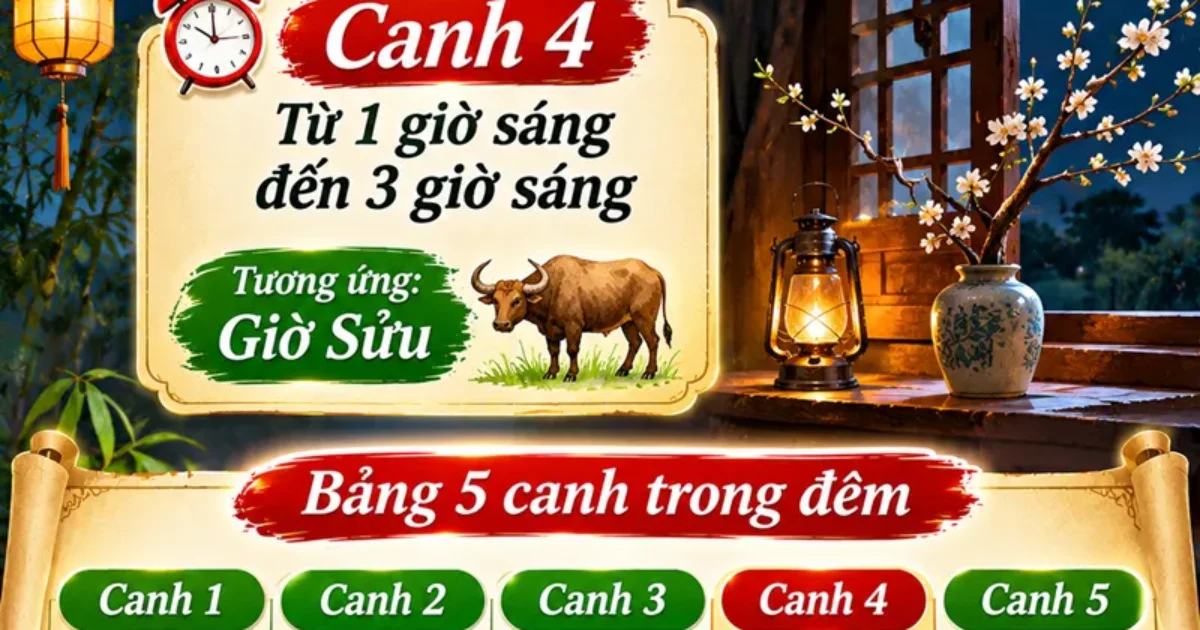
What Time Is the Fourth Watch? How People of Old Divided the Night into Five Watches
In traditional lunar-calendar culture, expressions such as “the drum of the third watch”, “awake until the fourth watch” or “the cock crows at the fifth watch” often appear in literature,…
20/11/2026 · 8 min read
Which Elements Suit Willow Wood? Compatible and Clashing Elements and Lucky Colors
In the sixty-year Jiazi cycle, Willow Wood is a Na Yin element with a distinctive image. Not an ancient hardwood tree or a vast forest, Willow Wood represents the willow,…
19/11/2026 · 15 min read
Does Wood Control Earth? Causes and Remedies in the Five Elements
In five-element feng shui, Wood and Earth have a controlling relationship. Wood represents trees, growth and development, while Earth represents land, stability and nourishment. This difference leaves many people unsure…
18/11/2026 · 10 min read