
Culture
What Are Black Path Hours? Meaning, Calculation and What to Avoid
What are Black Path hours? Learn their meaning, the deities involved, how to look them up and what is traditionally avoided by Eastern custom.
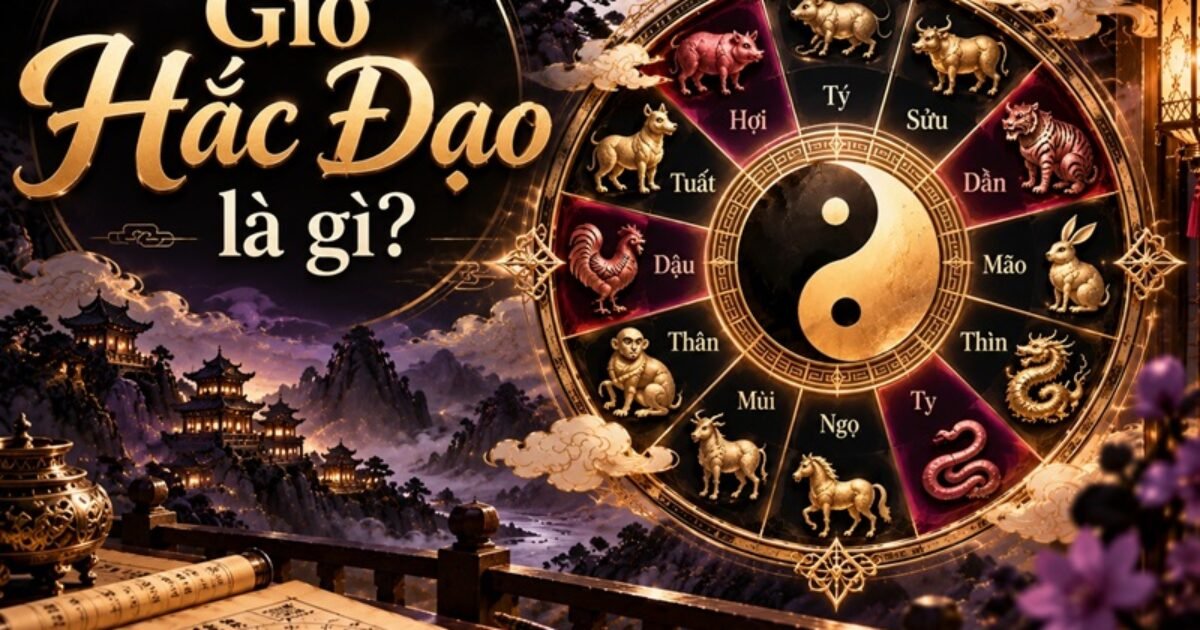
What are inauspicious (Black Path) hours? This is a common question when learning the custom of choosing days and hours by the lunar calendar and Eastern feng shui beliefs. In the traditional explanation, Black Path hours are time slots considered unfavorable for certain important undertakings. Knowing them helps many people plan the timing of weddings, grand openings, groundbreaking or journeys according to cultural custom.
What are Black Path hours?
Black Path hours are time slots considered less auspicious in the traditional Eastern system of choosing days and hours. In folk explanation, they are times under the influence of malefic deities or stars, so they are not preferred when choosing when to carry out major undertakings.
The concept is usually placed alongside auspicious hours. If auspicious hours represent favorable times in the traditional calendar view, Black Path hours are seen as times that call for more careful consideration.
However, classifying good and bad hours belongs to systems of belief and folk calendars. There is no reliable scientific evidence that a slot called Black Path will certainly make an undertaking fail or bring misfortune.
>> Learn more about what auspicious hours are
Characteristics of Black Path hours
How many Black Path hours are there in a day?
In the traditional division of time, the 24 hours of a day are divided into 12 double-hours by the 12 earthly branches, each lasting about two modern hours.
In the common way of finding auspicious and inauspicious hours, a day is usually divided into:
- 6 Yellow Path hours: Time slots considered auspicious.
- 6 Black Path hours: Time slots considered less favorable.
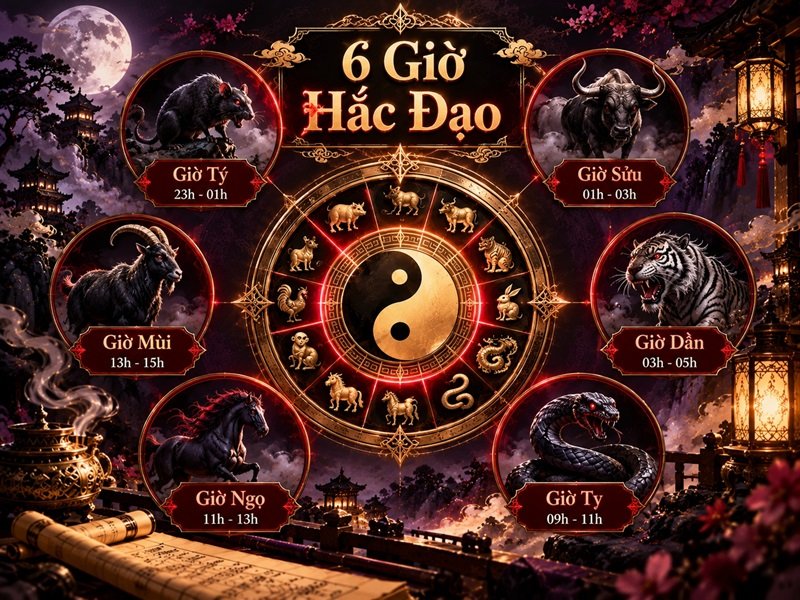
Which specific hours are Yellow Path or Black Path must be determined from the lunar date and the lookup method used. Don’t assume that a fixed hour is always good or always bad on every day.
Deities usually associated with Black Path hours
In some traditional calendar texts, Black Path hours are explained through the system of deities and influences. The names usually mentioned include:
- Vermilion Bird: A deity classed as malefic in some day- and hour-selection methods.
- White Tiger: A symbol usually associated with force, clashes and things that call for caution.
- Hook Array: A deity that appears in the traditional system of classifying good and bad fortune.
- Black Tortoise: A deity mentioned in some methods of choosing days and hours.
Some texts also mention the Heavenly Prison and other deities. The classification and the degree of avoidance may differ between calendar systems, so check the specific source you use.
What do Black Path hours mean in traditional custom?
In the culture of choosing days and hours, picking a time for a major undertaking usually expresses the wish for a smooth start and gives the family peace of mind.
In folk belief, Black Path hours are periods best avoided for important matters, especially when the household is used to consulting the lunar calendar or someone versed in calendar lore.
Below are the situations usually considered when choosing an hour:
1. Weddings
A wedding is an important event for both families. So some families choose the day and hour for the ceremony, welcoming the bride or the ancestral rites to suit custom and the agreement of both sides.
2. Opening a shop or business
Business owners often choose the time to open the doors, cut the ribbon or start operations to set a positive tone for the new venture. By custom, Black Path hours are usually not the preferred choice for these ceremonies.
3. Groundbreaking and building a house
For work related to the home, many families consult days and hours before the groundbreaking ceremony, pouring the roof or moving in. Choosing the hour by custom is usually combined with the actual construction plan.
4. Setting out and traveling far
Some people check the travel hour when going on business, on holiday or on an important journey. In traditional belief, they may avoid Black Path hours to feel more at ease.
5. Signing contracts, buying a car or starting a new job
For high-value decisions, people who follow feng shui may consider the hour for taking delivery of a car, signing or launching a project. Even so, factors such as contract terms, safety, finances and preparation matter more in practice than relying on good or bad hours alone.
How to identify Black Path hours
To look up Black Path hours, you can follow these steps:
Step 1: Decide the day to check.
Have the planned Gregorian date ready and convert it to the lunar date if the lookup method requires it.
Step 2: Look up the hour table for the day.
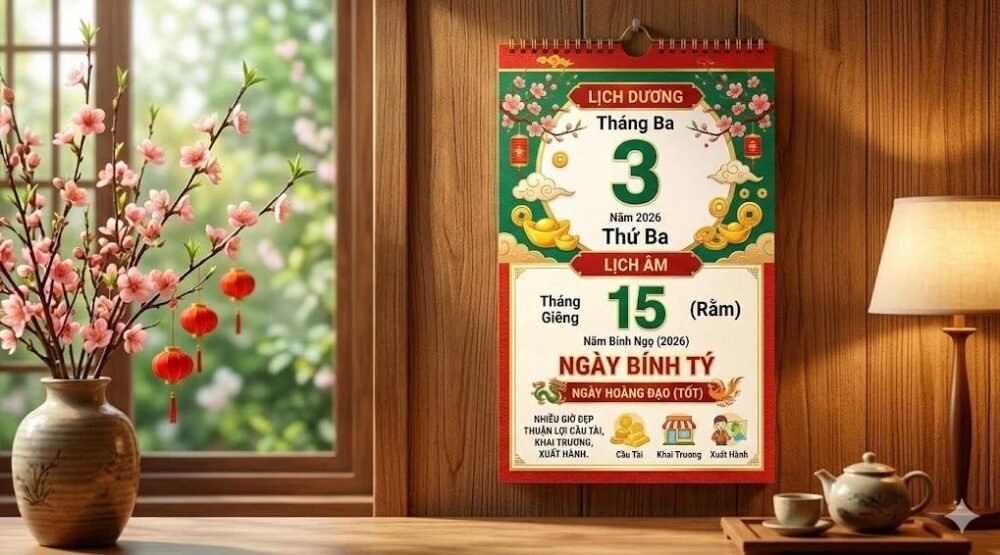
Use a perpetual calendar or lookup tool that clearly shows the Yellow Path and Black Path hours for that day. Don’t apply one day’s hour table to another day.
Step 3: Match the branch hours.
Each double-hour is tied to an earthly branch, from the Rat hour to the Pig hour. When looking up, check the exact time span and note the local time convention.
Step 4: Consider the nature of the task.
If you want to choose an hour by custom, be clear about what you need to do, such as a wedding, grand opening, groundbreaking or journey. Some schools also consider the lunar date and factors relating to the person involved.
Step 5: Double-check the information.
If the matter is important, cross-check with a reliable calendar source or someone versed in the calendar system you are consulting. Different methods may give results that are not entirely the same.
How do Black Path hours differ from Yellow Path hours?
| Criterion | Auspicious (Yellow Path) hour | Black Path hours |
| Traditional meaning | Time slots considered auspicious | Time slots considered less auspicious |
| How they are chosen | Usually preferred for major undertakings | Usually avoided for important ceremonies |
| Basis of lookup | The calendar and the traditional system of deities | The calendar and the traditional system of deities |
| Number in the common calculation | 6 double-hours per day | 6 double-hours per day |
| Note | Does not guarantee every undertaking will succeed | Does not mean something bad will certainly happen |
The main difference lies in how good and bad fortune are judged in traditional belief. Yellow Path hours are seen as more favorable, while Black Path hours are usually classed as calling for caution.
Should you avoid Black Path hours entirely?
Not necessarily. Checking hours is a cultural custom, and how much weight it carries depends on each person’s beliefs and circumstances.
If you want to choose an hour by custom, you can consult a perpetual calendar and consider the Yellow Path hours. However, don’t delay urgent matters or overlook safety, legal or financial factors just because a slot is marked Black Path.
For example, when signing a contract, prioritize reading the terms carefully and checking each party’s obligations. When traveling, pay attention to the weather, traffic and your health. When building, comply with the law and technical requirements.
Seeing Black Path hours in their cultural context helps you consult custom on your own terms, rather than treating them as the factor that wholly decides the outcome of everything.
Conclusion
What are Black Path hours? They are time slots classed as less auspicious in Eastern calendar and feng shui beliefs. By custom, many people avoid these hours when holding weddings, grand openings, groundbreaking or other important undertakings.
For an accurate lookup, go by the specific day and the calendar method you are using. Treat this as cultural reference information, combined with practical planning, preparation and safety when making decisions.
Editorial information
 Written byTechnical & Visual Design TeamThe unit that designs visual diagrams and keeps the website secure.
 Reviewed byContent Review BoardThe unit that screens material and verifies its accuracy.
Last updated: 21/11/2026
References
- JAHH 2019 PDF
- Aslaksen, The Mathematics of the Chinese Calendar
- Ho Ngoc Duc, Leipzig University
- UNESCO, Twenty-Four Solar Terms
- Truong Anh Thuan, The Hiep Ky calendar under the Nguyen dynasty
- Smith, Chinese Almanacs (book review)
- Smith, Fortune-tellers and Philosophers (book review)
- Ziwei doushu, Wikipedia
- Bruun, An Introduction to Feng Shui
- Feuchtwang, LSE eprints
- Bourassa & Peng 1999
- Bond, Feng Shui and Condominium Prices
Content follows our editorial standards of Treasure Land Feng Shui. Results are for reference, based on traditional beliefs.
Related articles
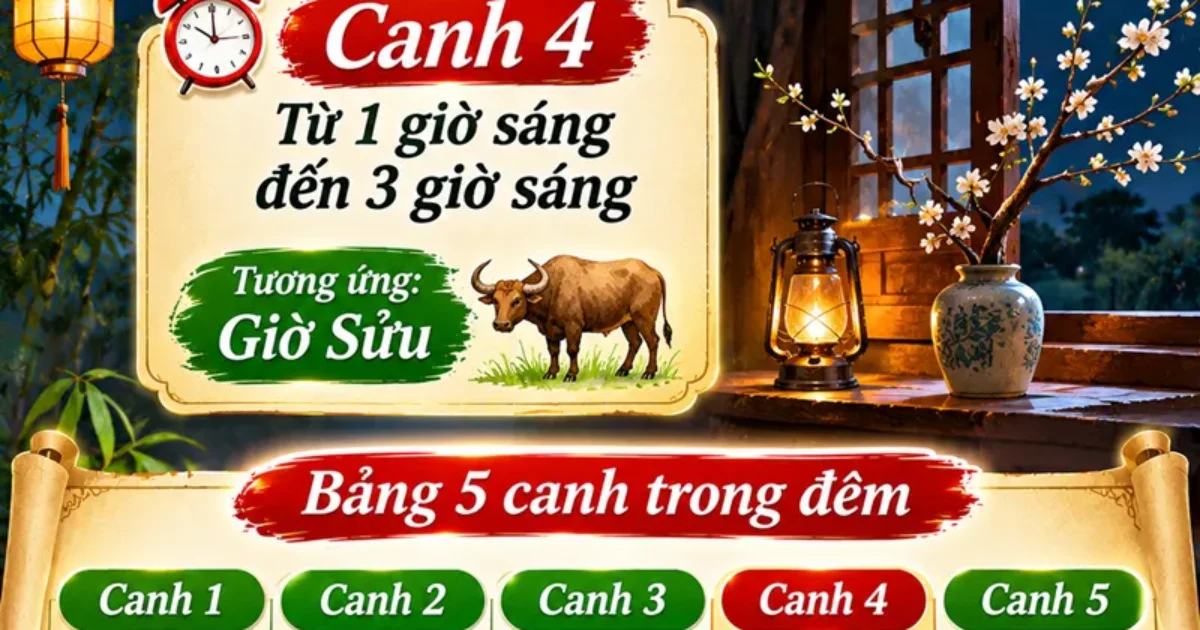
What Time Is the Fourth Watch? How People of Old Divided the Night into Five Watches
In traditional lunar-calendar culture, expressions such as “the drum of the third watch”, “awake until the fourth watch” or “the cock crows at the fifth watch” often appear in literature,…
20/11/2026 · 8 min read
Which Elements Suit Willow Wood? Compatible and Clashing Elements and Lucky Colors
In the sixty-year Jiazi cycle, Willow Wood is a Na Yin element with a distinctive image. Not an ancient hardwood tree or a vast forest, Willow Wood represents the willow,…
19/11/2026 · 15 min read
Does Wood Control Earth? Causes and Remedies in the Five Elements
In five-element feng shui, Wood and Earth have a controlling relationship. Wood represents trees, growth and development, while Earth represents land, stability and nourishment. This difference leaves many people unsure…
18/11/2026 · 10 min read