Chinese Astrology
What Do the 12 Palaces of Zi Wei Mean? A Detailed Explanation
Learn what the 12 palaces of Zi Wei mean, from the Life and Fortune palaces to the Career, Wealth, Spouse and other important palaces.

In Zi Wei Dou Shu astrology, the 12 palaces of a Zi Wei birth chart represent the different areas of life, from the self, family and love to career, finances and social relationships. Each palace has its own meaning and also connects with the others to form a complete system of interpretation.
The 12 basic palaces are: Life, Parents, Fortune, Property, Career, Friends, Travel, Health, Wealth, Children, Spouse and Siblings.
Besides these 12 palaces, the chart also has the Body palace. In the common way of building a chart, the Body is not a separate 13th palace but is placed in one of six palaces: Life, Spouse, Wealth, Career, Travel or Fortune.
So what does each palace in Zi Wei reflect? Understanding the palaces helps you read a chart more systematically, instead of focusing on a single palace or a single star.
1. Palaces about the self and destiny
This group focuses on personal traits, life direction, inner life and health-related matters as understood in Zi Wei Dou Shu.
Life palace: personality and the foundation of destiny
The Life palace is one of the key palaces of a Zi Wei chart. In traditional interpretation it reflects traits such as personality, way of thinking, temperament, abilities and a person’s tendencies of development.
When reading the Life palace, readers usually combine the main stars, minor stars, five elements, the state of the stars and the links with related palaces. So you should not rely on one star to draw conclusions about someone’s whole personality or fate.
The Life palace should also be read together with the Wealth and Career palaces, forming the Life – Wealth – Career trio often used to interpret ability, finances and career.
Body palace: how you act and develop as a person
The Body palace adds a view of how a person acts, chooses and develops in life within the traditional Zi Wei system.
Depending on where the Body is placed, the reading may emphasize different areas:
- Body in Life: focus on your own role in shaping your life’s direction.
- Body in Spouse: emphasis on the influence of marriage and partners.
- Body in Wealth: strong interest in finances and how resources are managed.
- Body in Career: focus on work, career and professional growth.
- Body in Travel: emphasis on the outside world, communication and social experience.
- Body in Fortune: interest in inner life, family and traditional values.
Some sources link the Body palace with adulthood, but you shouldn’t assume this palace only matters after a fixed age.
Fortune palace: blessings and inner life
The Fortune palace is usually read in terms of family roots, blessings in the traditional sense, inner life and a sense of peace.
In Zi Wei reading, this palace is also consulted for relations with the clan, family customs and the spiritual values that shape a person.
The Fortune palace is usually read together with other palaces for an overall picture. However, it cannot be used to state lifespan, luck or the ability to avoid every misfortune with certainty.
Health palace: health and obstacles
Traditionally the Health palace is used to interpret matters of health, constitution and the obstacles a person may meet in life.
When reading this palace, Zi Wei practitioners usually compare the stars sitting in it, the stars aspecting it and its links with other palaces. These results belong to the interpretive scope of Zi Wei and do not replace medical examination, diagnosis or treatment.
If you have health symptoms, rely on advice from health professionals rather than guessing illnesses from a chart.
2. Palaces about family and close relationships
The four palaces Parents, Spouse, Children and Siblings are commonly used to explore family relationships in Zi Wei Dou Shu.
Parents palace: your relationship with your parents
The Parents palace reflects the relationship between the chart owner and their parents in traditional interpretation. Some schools also use it to look at family circumstances, parental support and features of the relationship between generations.
When reading the Parents palace, combine the factors in the chart rather than drawing conclusions about your parents’ personality, profession or lifespan from a few stars.
Spouse palace: love and marriage
The Spouse palace is the one people look at most for love, a life partner and married life. Traditionally it is used to read tendencies in the marriage, its strengths and the issues that may need attention.
Readers usually combine the Spouse palace with the Life and Fortune palaces and other factors for an overall view.
However, a chart cannot determine the time of marriage, faithfulness or the outcome of a marriage with certainty. A lasting relationship also depends on respect, communication, responsibility and effort from both people.
Children palace: children and the parent–child relationship
The Children palace is usually used to read matters about children and the relationship between parents and children in the traditional system.
Some readings mention one’s luck with children, family bonds or how generations support each other. However, this palace should not be used to state the number of children, their sex, fertility or a child’s future as a certain result.
Questions of fertility and health should be assessed with proper medical information.
Siblings palace: brothers, sisters and family support
The Siblings palace reflects the relationship with brothers and sisters in Zi Wei Dou Shu. When reading it, you may look at closeness, support and differences between family members.
Even so, the Siblings palace does not fully decide the quality of sibling relationships. Living circumstances, communication, sharing and common experiences also shape the real relationship.
3. Palaces about career, wealth and property
The three palaces Career, Wealth and Property are the ones people consult about work, finances and home.
Career palace: career and professional path
The Career palace is used to read career tendencies, work, professional development and social standing in the traditional view.
When reading it, practitioners usually combine the stars in the palace, the aspecting stars and its links with the Life and Wealth palaces. From these they describe the strengths or obstacles that may appear in one’s working life.
In practice, career choices should be based on ability, interests, market conditions and opportunities to learn. The Career palace cannot replace a professional assessment or guarantee career success.
Wealth palace: money and how you manage finances
The Wealth palace is usually read in terms of earning ability, attitude to money and financial tendencies in the Zi Wei system.
You can compare this palace with the Life and Career palaces to look at the link between personal ability, work and income.
However, a chart cannot determine exactly how wealthy someone will be or predict when they will prosper. Budgeting, saving, informed investing and risk control remain the practical factors that matter.
Property palace: home and real estate
The Property palace is used to read matters of housing, land, assets tied to where you live and the ability to build a material foundation in the traditional view.
Some schools also consult it about family assets or the tendency to accumulate real estate.
Readings of the Property palace cannot guarantee how much property a person will own or whether they will inherit. Buying and selling real estate should be based on legal, financial and practical conditions.
4. Palaces about social relationships and the outside world
The Travel and Friends palaces widen the view from personal life to relationships and the outside world.
Travel palace: life outside and adaptability
The Travel palace reflects the outside world, travel, social life and how a person adapts when leaving familiar surroundings, in traditional interpretation.
This palace is often consulted about working away from home, changing where you live or building relationships outside the family.
However, you should not rely on the Travel palace to decide on going abroad, moving house or investing. Such decisions should weigh your goals, finances, opportunities and safety.
Friends palace: friends, colleagues and helpers
The Friends palace, called the Social palace in some sources, is usually used to read relationships with friends, colleagues, subordinates and the people who help you at work or in life.
In the traditional view it is consulted for tendencies in cooperation, support from relationships or difficulties when working with others.
However, the Friends palace cannot prove that someone will surely have benefactors or be harmed by others. Good relationships are built on trust, clear communication and practical cooperation.
Why read the palaces in relation to each other?
In Zi Wei Dou Shu, the meaning of a palace depends not only on its name but also on the stars sitting in it, the aspecting stars and its relations with other palaces in the chart.
For example, when looking at career, readers usually consider the Life, Career and Wealth palaces together. For marriage, the Spouse palace may be compared with the Life and Fortune palaces. This combined approach is common in traditional interpretation.
In addition, concepts such as triple harmony and opposition describe the relations between palaces in the chart. They are not extra palaces added to the list of 12 but relations used to analyze the structure of the chart.
So if you only look at a single palace or star, you may miss important factors in the methodology of Zi Wei Dou Shu.
How to explore the 12 palaces of your Zi Wei chart
If you want to understand the 12 palaces in your own chart, you can follow these steps:
Step 1: Prepare your birth details. Find your birth date, birth time and sex as required by the charting method. Check the lunar and solar dates and how they are converted to avoid errors.
Step 2: Build your Zi Wei chart. Use a charting tool that fits the Zi Wei Dou Shu system you want to learn about.
Step 3: Locate the 12 palaces. Find the Life, Parents, Fortune, Property, Career, Friends, Travel, Health, Wealth, Children, Spouse and Siblings palaces.
Step 4: Read the stars in each palace. Learn the traditional meaning of the main stars, minor stars and related factors. Don’t draw conclusions from one good or bad star.
Step 5: Look at the overall relationships. Compare triple harmonies, oppositions and related palaces using the same method to better understand how the system interprets them.
Explore your Zi Wei chart at Treasure Land Feng Shui
To learn more about the 12 palaces, the main stars and the structure of a Zi Wei Dou Shu chart, you can visit Treasure Land Feng Shui for more on Zi Wei and Eastern feng shui.
When reading an interpretation, pay attention to the method used, the birth data entered and the links between palaces. Zi Wei is a traditional interpretive system; science has not shown that it can accurately predict anyone’s future. So use this content as cultural reading, not as a substitute for professional advice on health, finances or important decisions.
Conclusion
Understanding what the 12 palaces in Zi Wei mean is the basic step in learning the structure of a Zi Wei Dou Shu chart. From the Life and Fortune palaces to Career, Wealth, Spouse and the rest, each palace has its own role in traditional interpretation.
To read a chart systematically, consider the links between palaces, main stars, minor stars, triple harmonies and oppositions instead of relying on a single factor. More importantly, treat Zi Wei as a cultural system to explore and learn from, and rely on practical knowledge when making important decisions in life.
You can visit Treasure Land Feng Shui to discover more about Zi Wei, feng shui and Eastern metaphysics.
Editorial information
 Written byTechnical & Visual Design TeamThe unit that designs visual diagrams and keeps the website secure.
 Reviewed byContent Review BoardThe unit that screens material and verifies its accuracy.
Last updated: 21/11/2026
References
- JAHH 2019 PDF
- Aslaksen, The Mathematics of the Chinese Calendar
- Ho Ngoc Duc, Leipzig University
- UNESCO, Twenty-Four Solar Terms
- Truong Anh Thuan, The Hiep Ky calendar under the Nguyen dynasty
- Smith, Chinese Almanacs (book review)
- Smith, Fortune-tellers and Philosophers (book review)
- Ziwei doushu, Wikipedia
- Bruun, An Introduction to Feng Shui
- Feuchtwang, LSE eprints
- Bourassa & Peng 1999
- Bond, Feng Shui and Condominium Prices
Content follows our editorial standards of Treasure Land Feng Shui. Results are for reference, based on traditional beliefs.
Related articles
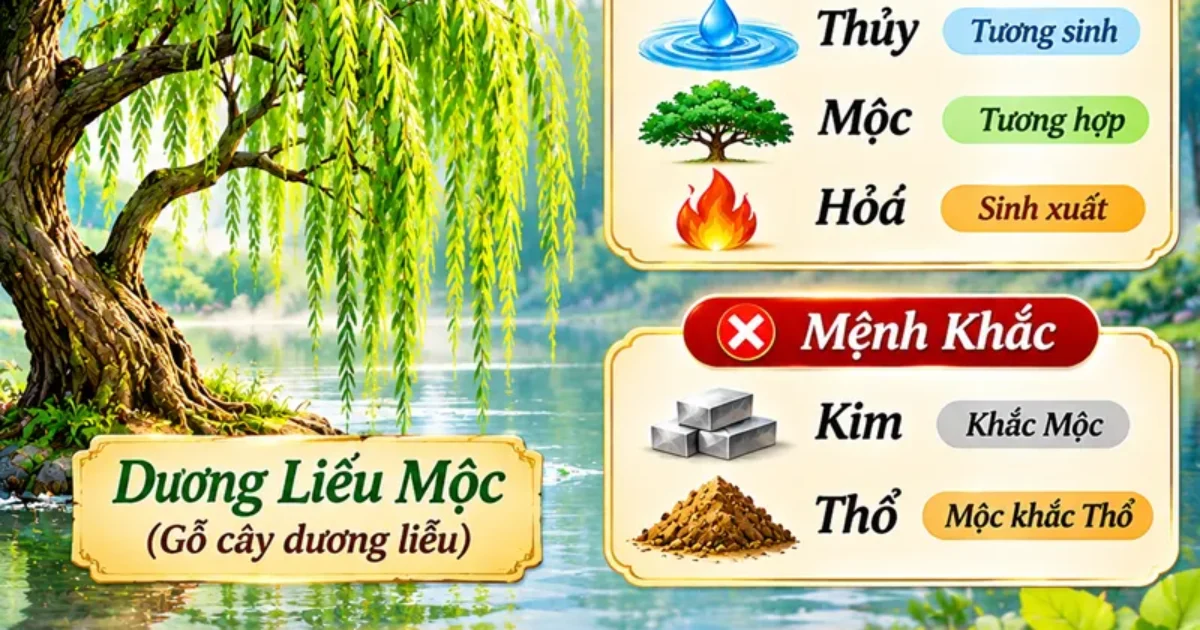
Which Elements Suit Willow Wood? Compatible and Clashing Elements and Lucky Colors
In the sixty-year Jiazi cycle, Willow Wood is a Na Yin element with a distinctive image. Not an ancient hardwood tree or a vast forest, Willow Wood represents the willow,…
19/11/2026 · 15 min read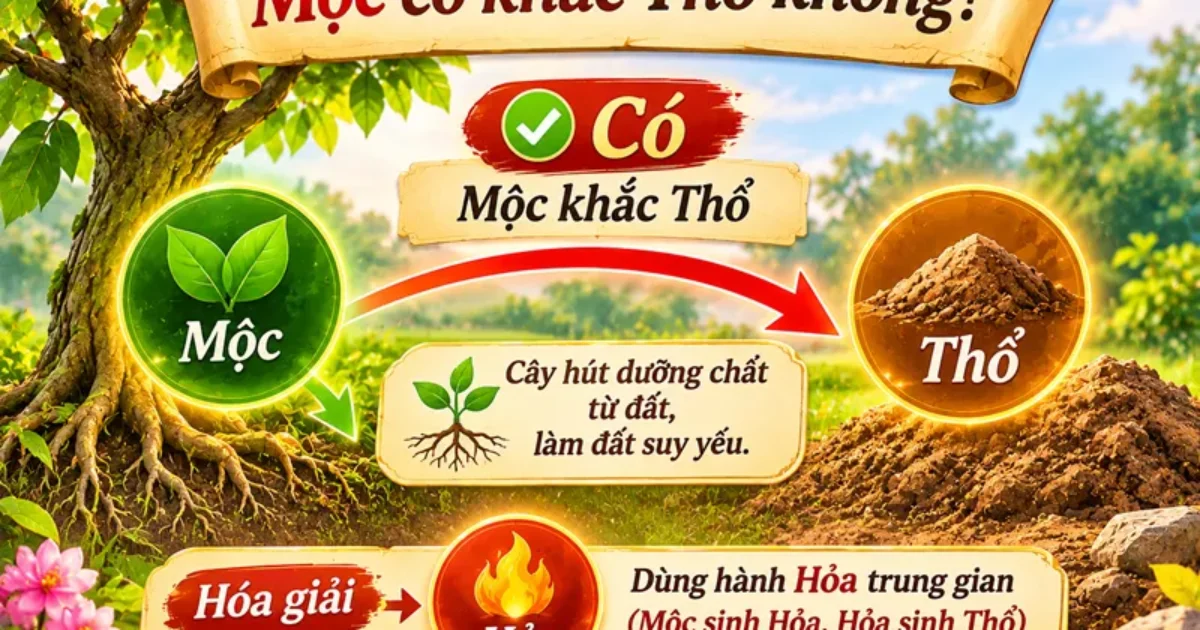
Does Wood Control Earth? Causes and Remedies in the Five Elements
In five-element feng shui, Wood and Earth have a controlling relationship. Wood represents trees, growth and development, while Earth represents land, stability and nourishment. This difference leaves many people unsure…
18/11/2026 · 10 min read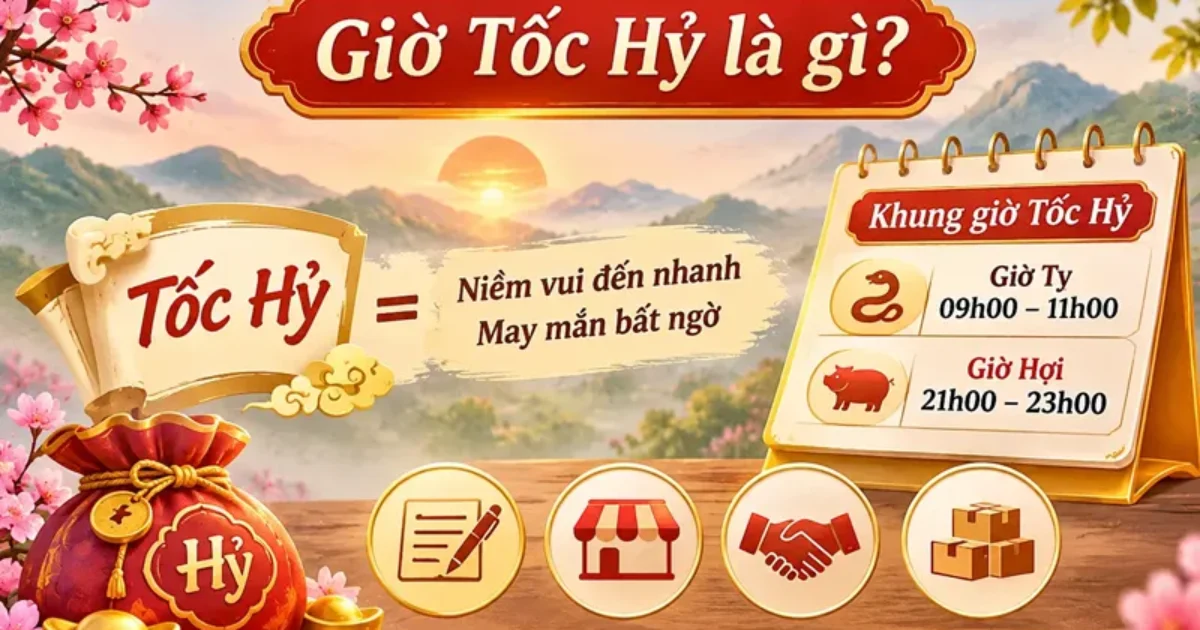
What Is the Su Xi Hour? Meaning, Calculation and What to Do
In the tradition of choosing days and hours, Su Xi (Swift Joy) is seen as a time that brings joy, luck and favorable turns in one’s affairs. People in the…
16/11/2026 · 9 min read