
Chinese Astrology
What Is the Life Palace in Zi Wei? Meaning and How to Read the Chart

The Life palace in Zi Wei is one of the most important palaces of a Zi Wei Dou Shu chart and is usually seen as the starting point for understanding a person’s self, character, abilities and direction of development in traditional astrology. When reading the Life palace, one considers not only the stars sitting there but also the related palaces, the positions of the stars and the structure of the whole chart.
Understanding the Life palace correctly helps you read a chart more systematically and avoid conclusions based on a single star or factor. The article below explains the meaning of the Life palace, how to read it and the special case of an empty Life palace.
What is the Life palace in Zi Wei?
In the Zi Wei Dou Shu system, the Life palace reflects a person’s personal foundation according to traditional reading. It is usually considered when exploring character, temperament, way of thinking, adaptability and the most notable tendencies in life.
The Life palace does not work on its own. Its meaning must be placed in relation to the other palaces of the chart, especially the Career, Wealth and Travel palaces. The main stars, minor stars and factors such as Xun and Jie can also change the interpretation.
In some popular texts, the Life palace is emphasised for the early part of life, while the Body palace is used to consider later development. However, this should not be taken as a fixed age boundary for everyone; the reading also depends on the whole chart and the school of Zi Wei used.
The meaning of the Life palace in a Zi Wei chart
1. Character and way of thinking
The Life palace is usually used to read notable personality traits such as decisiveness, calm, caution, flexibility or a rational bent. The stars in the palace are interpreted through Zi Wei Dou Shu’s system of symbols.
For example, some star combinations are traditionally read as leaning toward organisational ability, while others are linked with sharpness or independence. These are interpretations within Zi Wei, not scientifically validated psychological assessments.
2. Appearance and bearing
In traditional reading, the Life palace is also consulted for one’s presence, style of self-expression and some features of appearance. However, a person’s looks or health cannot be determined precisely from the Life palace alone.
3. Abilities and career tendencies
The Life palace is usually read together with the Career and Wealth palaces as a reference for abilities, working style and career development.
For example, a reader may consider factors that symbolise management, communication, analytical or creative ability. These suggestions should be used as a reference perspective, combined with your interests, skills, experience and real circumstances when choosing a career.
4. Life tendencies
In Zi Wei Dou Shu, the Life palace is often considered the basis for looking at the general tendencies of one’s life. Even so, it should not be treated as a fixed sentence on one’s fate. According to traditional reading itself, the functional palaces, luck periods and related factors must also be considered before an overall judgement can be made.
Factors to consider when reading the Life palace
To read the Life palace systematically, consider many factors rather than just the name of one star.
Main stars present
The main stars play a key role in reading a Zi Wei chart. Depending on which main star sits there and its brightness (Temple, Prosperous, Favourable or Fallen) in the system used, the interpretation of the Life palace may differ.
Don’t rely on one main star to conclude a person’s whole character or destiny. Also check the minor stars and the links with other palaces.
Auspicious and killing stars
In traditional Zi Wei terminology, auspicious stars are usually read as supportive, while killing stars may be associated with challenges or upheaval.
Some stars often mentioned in readings include:
- Zuo Fu, You Bi: often linked with support and cooperation.
- Wen Chang, Wen Qu: often associated with study, literature and thinking.
- Hua Lu, Hua Quan, Hua Ke: usually read in terms of wealth, power, and reputation or learning.
- Qing Yang, Tuo Luo, Huo Xing, Ling Xing, Di Kong, Di Jie: stars usually classed as challenging in many traditional readings.
The specific meaning also depends on position, star combinations and school. A single star is not enough to conclude whether a chart is good or bad.
The three sides and four directions of the Life palace
An important principle in reading the Life palace is to consider the three sides and four directions: the Life palace, its two trine palaces (Career and Wealth) and the opposite palace (Travel).
| Palace | What is usually read |
| Element | Self, character and personal foundation |
| Career | Work, career and direction of development |
| Wealth Palace | Finances, how resources are built and managed |
| Travel | The outside environment, social relationships and adaptability |
These four palaces form a linked system. For example, when looking at career tendencies, a reader examines not only the Life palace but also the Career, Wealth and Travel palaces for a broader view.
The influence of Xun and Jie
Xun and Jie are factors considered in many Zi Wei methods. In traditional belief, they can change how the stars in the affected palace express themselves.
Some schools hold that Xun or Jie can reduce certain adverse qualities but can also limit a star’s favourable side. The specific reading must be based on position and the overall structure of the chart; one simple rule should not be applied to every case.
What is an empty Life palace?
An empty Life palace (no main star) is when no main star sits in the Life palace under the Zi Wei Dou Shu star-placement method.
It is a distinct chart structure and does not mean the person lacks ability or will certainly face difficulty. In traditional reading, an empty Life palace needs closer examination through the facing stars and related palaces.

Features of an empty Life palace
Some Zi Wei texts interpret this structure as a person who adapts to their environment and is significantly influenced by circumstances or the people around them. This is only a reference interpretation, however; it cannot be said that everyone with an empty Life palace is alike.
How to read an empty Life palace
When looking at this case, readers usually pay attention to:
- The opposite Travel palace: See how the main and minor stars there affect the Life palace.
- Three sides and four directions: Compare the Career, Wealth and Travel palaces to assess the overall structure.
- The facing stars: Look at the related stars and their condition under the method being applied.
- Xun, Jie and other factors: Check their positions and the effects interpreted in the relevant Zi Wei system.
Don’t conclude that an empty Life palace means certain hardship in youth, late success or being suited only to supporting roles. Such judgements must be considered within the whole chart and are not rules that apply to everyone.
How do the Life palace and the Body palace differ?
The Life palace and the Body palace both play a role in Zi Wei Dou Shu, but they are usually used to consider different aspects.
| Criterion | Life palace | Body palace |
| Focus of the reading | The personal foundation and initial characteristics | How the person expresses themselves and develops in life |
| Role | An important starting point for reading the chart | Adds a perspective on tendencies in experience and action |
| How to read it | Combine the stars present, the facing stars and the related palaces | Look at where the Body is placed, which palace it shares and the related factors |
| Principle | Never read it in isolation from the whole chart | Don’t use the Body palace alone to judge an entire life |
In some popular interpretations, the Life palace is emphasised in early life and the Body palace in adulthood. However, the age of 30 should not be applied rigidly as a universal rule. Both palaces must be seen in relation to the other factors.
How to read the Life palace on a Zi Wei chart
If you already have a chart, you can start reading the Life palace with these steps:
Step 1: Locate the Life palace correctly.
Find the box marked “Life” on the chart and check the palace’s earthly branch.
Step 2: Read the stars present.
Note the main and minor stars placed in the Life palace, and pay attention to each star’s condition as marked on the chart.
Step 3: Look at the three sides and four directions.
Compare the Career, Wealth and Travel palaces to understand the key connections.
Step 4: Check Xun, Jie and the facing stars.
These factors can change the interpretation in the traditional Zi Wei system.
Step 5: Combine with the related palaces.
If you are interested in career, also look at the Career palace; for finances, compare the Wealth palace; for family relationships, look at the corresponding functional palaces.
These steps help you read the chart in order, but they do not replace understanding the star-placement rules and the methodology of each school.
Conclusion
The Life palace in Zi Wei is an important starting point for exploring the character, abilities and tendencies interpreted by Zi Wei Dou Shu. When reading this palace, look at the main stars, minor stars, the three sides and four directions, Xun, Jie and its relationship with the Body palace rather than relying on a single star.
For an empty Life palace, pay special attention to the facing stars and the opposite Travel palace. Whether you use Zi Wei to explore traditional culture or for self-reflection, treat readings as a reference perspective and base your decisions on your circumstances, abilities and real information.
Editorial information
 Written byTechnical & Visual Design TeamThe unit that designs visual diagrams and keeps the website secure.
 Reviewed byContent Review BoardThe unit that screens material and verifies its accuracy.
Last updated: 21/11/2026
References
- The calendars of Southeast Asia. 3: Vietnam (NASA ADS)
- JAHH 2019 PDF
- Aslaksen, The Mathematics of the Chinese Calendar
- Ho Ngoc Duc, Leipzig University
- Le Thanh Lan, VieChiCa
- UNESCO, Twenty-Four Solar Terms
- Truong Anh Thuan, The Hiep Ky calendar under the Nguyen dynasty
- Smith, Chinese Almanacs (book review)
- Smith, Fortune-tellers and Philosophers (book review)
- Ziwei doushu, Wikipedia
- Bruun, An Introduction to Feng Shui
- Feuchtwang, LSE eprints
- Bourassa & Peng 1999
- Bond, Feng Shui and Condominium Prices
Content follows our editorial standards of Bao Dia Feng Shui. Results are for reference, based on traditional beliefs.
Related articles
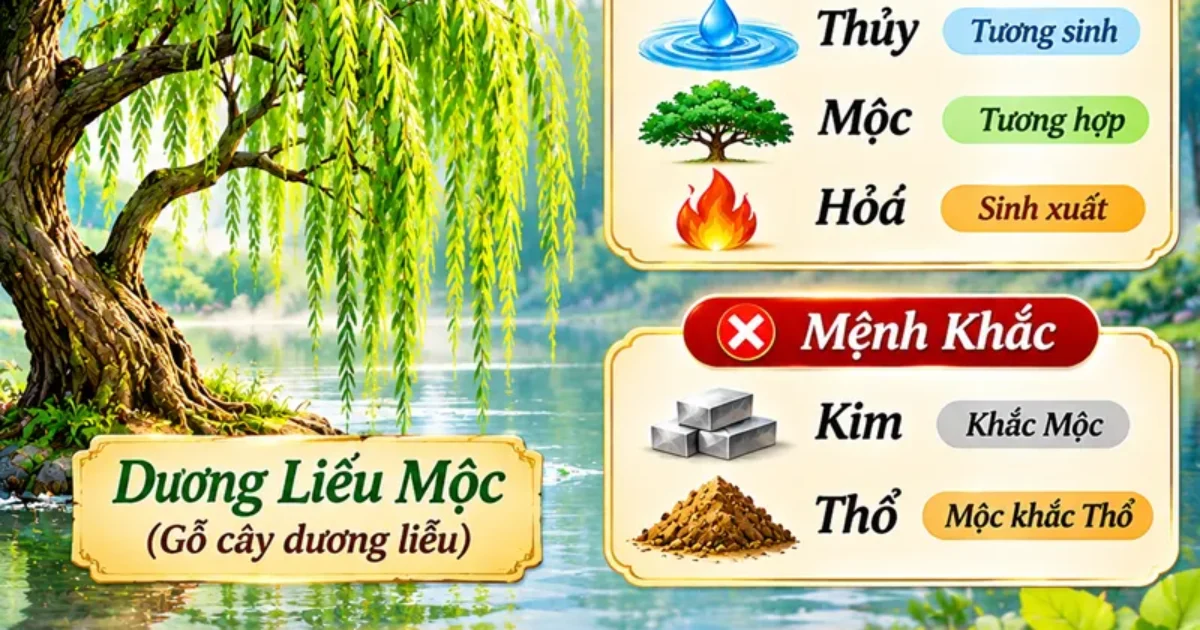
Which Elements Suit Willow Wood? Compatible and Clashing Elements and Lucky Colours
In the sixty-year Jiazi cycle, Willow Wood is a Na Yin element with a distinctive image. Not an ancient hardwood tree or a vast forest, Willow Wood represents the willow,…
19/11/2026 · 15 min read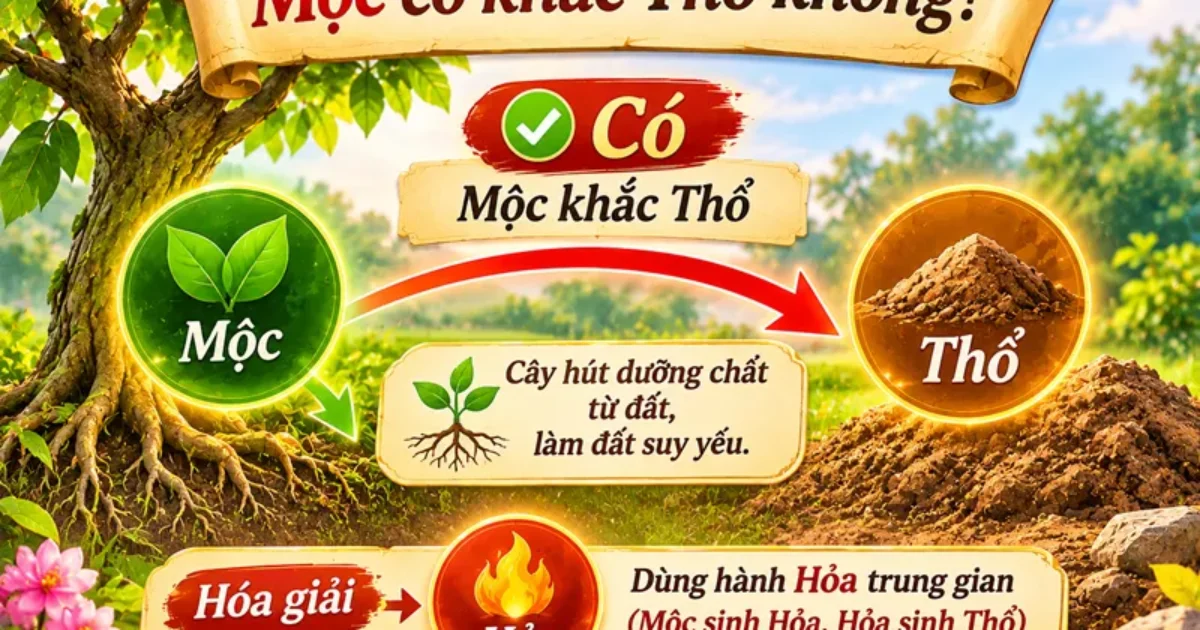
Does Wood Control Earth? Causes and Remedies in the Five Elements
In five-element feng shui, Wood and Earth have a controlling relationship. Wood represents trees, growth and development, while Earth represents land, stability and nourishment. This difference leaves many people unsure…
18/11/2026 · 10 min read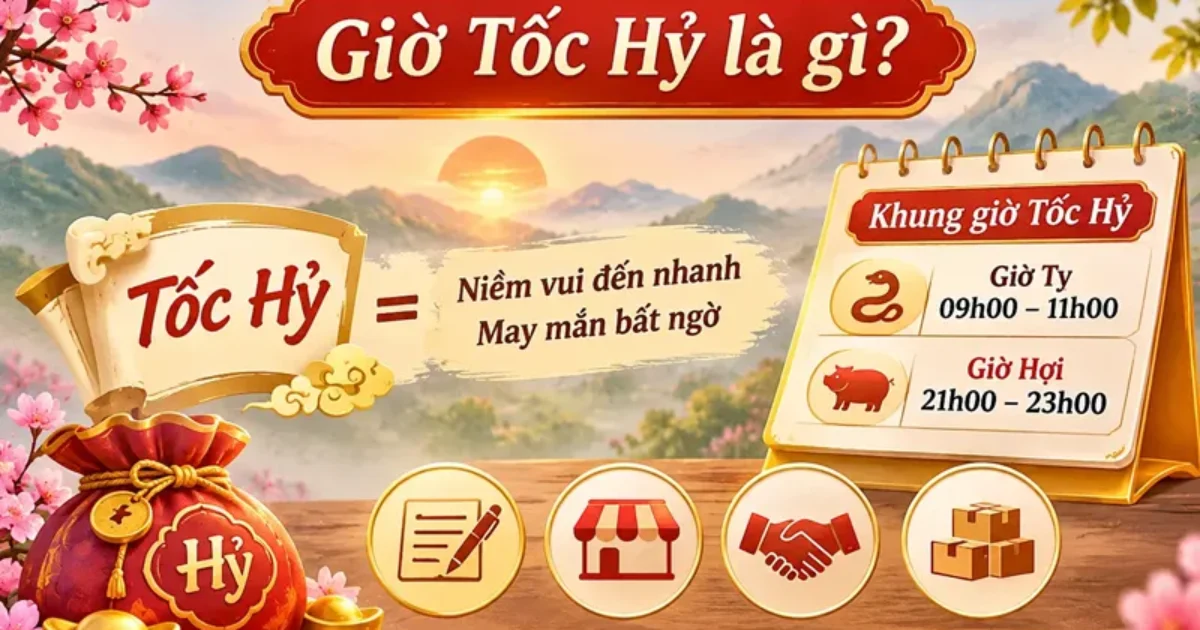
What Is the Su Xi Hour? Meaning, Calculation and What to Do
In the tradition of choosing days and hours, Su Xi (Swift Joy) is seen as a time that brings joy, luck and favourable turns in one’s affairs. People in the…
16/11/2026 · 9 min read